
Industrial Exoskeleton Implementation — Pilot, Rental & Structured Deployment
Structured, low-risk introduction of exoskeleton solutions in real industrial environments.

Initial On-Site Assessment
- Identification of high-load and repetitive tasks
- Assessment of ergonomic risk factors
- Evaluation of application suitability
- Consultative recommendation
Pilot Testing
Short-term validation under real working conditions.
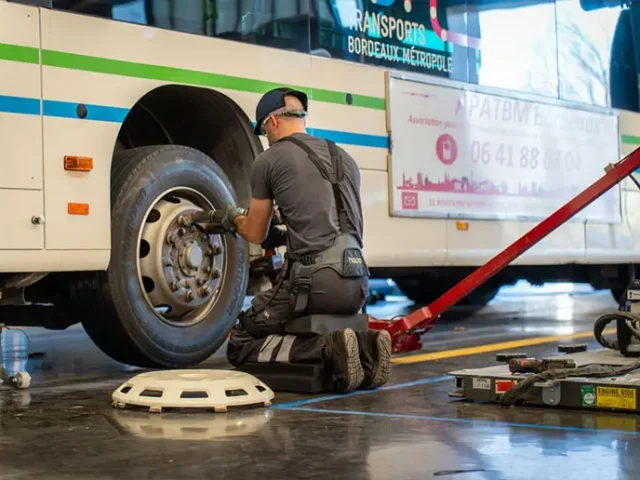
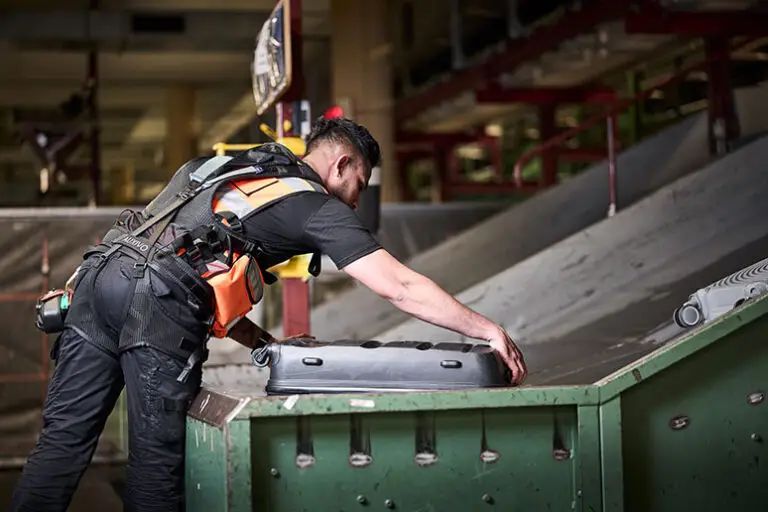
- 2 weeks structured pilot
- Real production environment
- Monitoring of operator adaptation
- Practical evaluation of ergonomic impact
Operational Rental (Extended Use)
Following successful pilot validation, companies may proceed with an extended rental phase.
- Up to 12 months of real operational use
- Supervisor training
- Integration into daily workflow
- Monitoring of sustained effectiveness
Rental-to-Purchase Policy
If you decide to purchase the exoskeletons during or after the rental period, 50% of the rental payments paid up to the purchase date will be credited toward the final purchase price.
Purchase & Structured Deployment
After validated operational performance, companies proceed with acquisition and structured implementation.
- Final acquisition decision
- Phased deployment by department
The decision is based on proven experience, not projections.
Ongoing Support & Expansion
Implementation does not end with purchase.
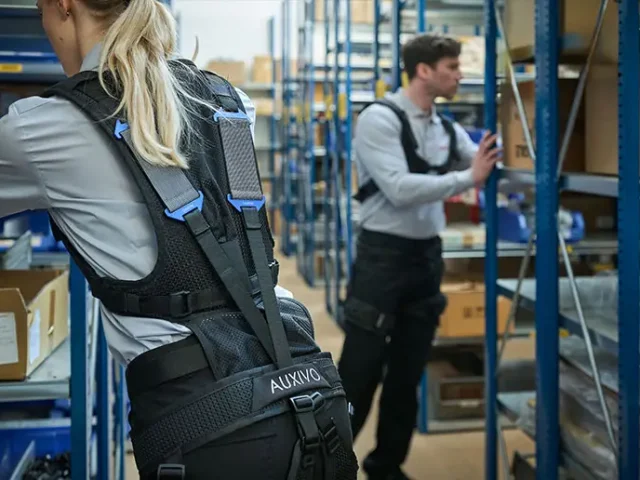
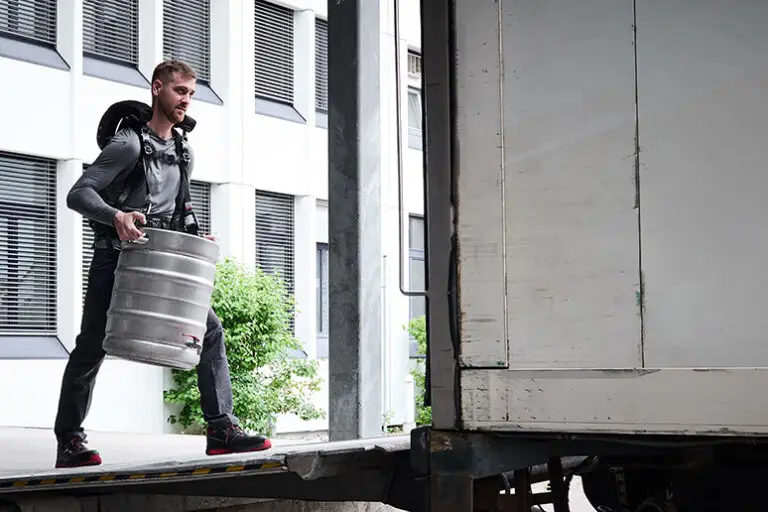
- Continuous support and consultation
- Expansion to additional workstations
- Evaluation of new applications
- Integration of future solutions
Why This Model Works
ExoPower’s industrial exoskeleton implementation process is designed to minimize risk while maximizing operational clarity. Through structured pilot programs and extended rental phases, organizations validate real ergonomic impact before making long-term decisions.
Long-Term Value
Operational Integration
Real Validation
Low Risk
Implementation decisions are based on operational experience, not assumptions.
Implementation FAQ
How long does an exoskeleton pilot program take?
Pilot programs typically last between two and four weeks, depending on task complexity and the production environment. This period is sufficient to observe real ergonomic impact and operator adaptation under normal working conditions.
Is rental available before purchase?
Yes. After successful pilot validation, companies may proceed with an extended operational rental phase to integrate the exoskeletons into daily workflow before making a long-term decision.
Are rental payments credited toward purchase?
Yes. If you decide to purchase the exoskeletons during or after the rental period, 50% of the rental payments paid up to the purchase date will be credited toward the final purchase price.
This structure significantly reduces financial risk while allowing full operational validation.
Do supervisors and operators require training?
Yes. During the pilot and rental phases, supervisors receive structured guidance to ensure safe integration and consistent daily use. The learning curve is typically short, and teams adapt quickly.
Can industrial exoskeletons replace automation?
No. Exoskeletons are positioned between manual labor and full automation. They reduce physical strain while preserving flexibility and human skill in complex tasks.
Why is on-site demonstration important?
Industrial exoskeletons are a game changer for businesses with heavy physical work. Their real value becomes clear only when experienced in actual production conditions. Seeing the impact live is often what shifts perception from curiosity to strategic decision.
Experience the impact of industrial exoskeletons — live.
Request an on-site demonstration and see how your physically demanding work can become safer, more sustainable and more efficient.